Symbolism and Color Alchemy in Peony Flower Blooms
Posted on 01/07/2025
Introduction to the Mystique of Peony Flowers
The peony flower has mesmerized hearts across cultures for centuries, celebrated for its lush blooms and intoxicating fragrance. Revered as a symbol of romance, honor, and prosperity, peonies are also remarkable for their vibrant color spectrum. This article dives deeply into the symbolism and color alchemy of peony flower blooms, uncovering hidden meanings, cultural significance, and the reasons behind their enduring popularity in gardens, art, and ceremonies worldwide.

The Ancient Symbolism of Peony Flowers
Peonies originate from East Asia, Europe, and Western North America. Their symbolic use dates back thousands of years, especially in Chinese, Japanese, and Western traditions. To understand peony symbolism, one must explore:
- Historical Context: Associated with royalty, honor, and immortality in Imperial China.
- Mythology: Named after Paeon, a student of Asclepius, the Greek god of medicine, highlighting healing properties.
- Garden Heritage: Emblematic of aristocracy in British and French horticultural traditions.
- Modern Symbolism: Signifies love, bashfulness, and good fortune in popular culture.
Peonies are often called the "King of Flowers" in China, and they are the national flower of several regions.
Color Alchemy: The Meaning Behind Peony Colors
Peonies dazzle with a palette ranging from pristine white to deep crimson. Color alchemy refers to the transformation of pigment into profound emotion and symbolic meaning. Let's unravel the significance of each major peony color:
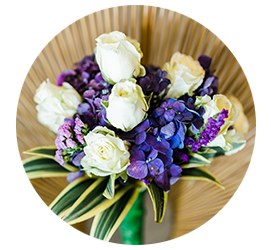
White Peonies: Purity and Apology
White peony flowers capture the essence of innocence, honesty, and new beginnings. In both Eastern and Western traditions, they carry:
- Purity: Commonly chosen for weddings, symbolizing the pure union of two souls.
- Apology: In Asian cultures, white peonies may be offered as a gesture of forgiveness or to mend rifts.
- Peace: Used in memorial services to represent tranquility and respectful remembrance.
Fun fact: In traditional Chinese medicine, white peony root is prized for its calming properties, linking the color's spiritual and physical symbolism.
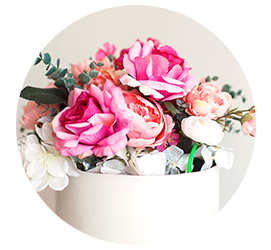
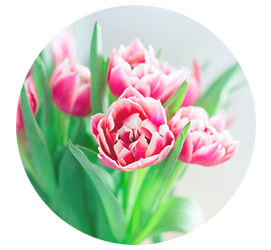
Pink Peonies: Romance and Prosperity
Pink peony blossoms exude grace, gentle affection, and significant romantic symbolism. They are frequently featured in:
- Weddings and Anniversaries: As a symbol of enduring love and marital bliss.
- Good Fortune: In Feng Shui, pink peonies attract luck, wealth, and positive energy.
- Femininity and Nobility: Highlighting elegance, compassion, and sophistication.
Pink peonies are laden with meaning, often described as the flower of riches and honor in Chinese poetry and art.
Red and Deep Crimson Peonies: Passion and Honor
Ultravivid red peony flowers symbolize passionate love, masculine power, and high status. In color alchemy, red evokes:
- Romance: The perfect gift for romantic partners, echoing intensity and desire.
- Respect: Given to elders or respected figures, indicating deep admiration.
- Good Fortune: An auspicious color in China, especially during weddings and festivals.
Historically, red peonies decorated imperial palaces and are painted in countless works of Asian art, representing power and prosperity.
Yellow and Gold Peonies: Happiness and Optimism
Rare and radiant, yellow peonies symbolize the sun's life-giving energy. Their golden hues denote:
- Joy and Happiness: Ideal for celebrations, they lift spirits and spread cheer.
- Renewal: Marking new beginnings, achievement, and growth.
- Royalty and Respect: Yellow was historically reserved for emperors in China, making yellow peonies highly prestigious.
Modern gardeners cherish yellow peony varieties, though they remain relatively rare compared to other colors.
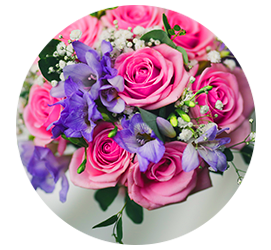
Purple and Lavender Peonies: Enchantment and Mystery
Purple peony flowers are less common but highly coveted. They convey mystery, fantasy, and enchantment, representing:
- Nobility: Traditionally associated with royalty and the elite.
- Creativity: Often used in arrangements that celebrate imagination and artistry.
- Protection: In folklore, purple peonies ward off evil spirits and bring spiritual safety.
The unusual hue of the purple peony flower always catches the eye in any bouquet or garden.
The Fascinating Alchemy of Changing Peony Bloom Colors
What makes peony flower colors even more mysterious is their tendency to shift hues as they bloom. This color transformation is part of the peony's unique charm and is known as color alchemy. Factors influencing color change include:
- Genetics: Hybrid peony cultivars often show color shifts as buds open and mature.
- Soil Acidity: pH levels can enhance or mute certain color tones, particularly in pinks and reds.
- Light Exposure: Sunlight intensity affects pigment concentration.
- Temperature: Cooler temperatures produce more vibrant peony flower blooms.
Some peonies may start as soft pink and deepen to a bold red, or emerge creamy white and fade to blush - a phenomenon that never fails to fascinate botanists and peony lovers alike.
Peony Symbolism in Art, Literature, and Folklore
The symbolism and color alchemy of peonies is deeply ingrained in the world's artistic and literary canons. Throughout history, peonies have been a favorite muse for poets, painters, and playwrights.
- Chinese Paintings: Ming and Qing dynasty artworks frequently feature lush peony gardens as symbols of imperial wealth and beauty.
- Japanese Poetry: Haiku and tanka reference peonies as ephemeral metaphors for life's fleeting splendor.
- Western Botanical Art: Victorian floriography gave peonies the meaning "bashfulness," a nod to their tendency to hide golden stamens beneath a profusion of petals.
- Modern Literature: Peonies appear in novels and films as metaphors for growth, blossoming love, and transformation.
In contemporary art, the intertwining of peony color symbolism and creative expression has only strengthened their role as emblems of hope, beauty, and complex emotion.
Peonies in Cultural and Spiritual Traditions
Understanding peony flower symbolism requires exploring diverse cultural and spiritual beliefs. Let's discover how peony color and meaning saturate global traditions:
Chinese Festivals and Feng Shui
- The Peony Festival: Luoyang, China, holds a famous annual peony festival, drawing crowds to admire fields of blooming peonies - a living tapestry of luck and prosperity.
- Feng Shui: Peony paintings or fresh peonies are placed in the home to attract romance, wealth, and harmonious relationships. Colors are chosen with specific symbolic intentions.
Japanese Hanakotoba (Flower Language)
- Peony ("Botan" in Japanese): Represents bravery, honor, and good fortune. Artists often depict Samurai with peony motifs to symbolize noble spirit.
Western Celebrations and Symbolism
- Weddings: Peonies are prized bridal flowers, representing happy marriage and abundance.
- Traditional Medicine: Both Eastern and Western herbalists use peony root for its reputed healing powers, reinforcing its symbolism of health and longevity.
Cultivating Peony Blooms for Symbolic Impact
To fully embrace the alchemy of peony colors and symbolism, gardeners can thoughtfully select peony varieties and planting locations:
- Garden Planning: Combine different colored peonies for layered symbolic meaning in your landscape design.
- Event Styling: Use specific peony hues to convey messages or blessings at weddings, anniversaries, and milestone events.
- Gifting Peonies: Present peonies with symbolic intent - white for peace, pink for romance, or red for admiration.
By understanding the symbolism and transformation of peony flower blooms, enthusiasts create gardens and occasions steeped in intentional meaning and visual harmony.
The Enduring Allure: Why Peony Symbolism Resonates Today
Despite centuries of change, peony flower symbolism remains relevant in the modern age, enchanting new generations with its story-rich blossoms and mysterious color changes. Their popularity can be attributed to:
- Timeless Beauty: Peonies possess an unmatched elegance, making them perennial favorites in fashion, design, and decor.
- Universality: Their symbolic meanings cross cultural boundaries, appealing to people worldwide.
- Emotional Resonance: Peonies inspire hope, renewal, and connection, which are eternal human desires.
- Sustainable Blooms: As long-lived perennials, they offer ongoing beauty and symbolism in gardens for decades.
Conclusion: Embracing the Power of Peony Color and Symbol
From their royal origins to their transformative blooms, peony flowers embody some of the world's most cherished symbolic meanings and color alchemy. Whether as part of ancient ritual, modern celebrations, or personal gardens, peonies continue to impart luck, love, honor, and joy.
Understanding the symbolism and color alchemy in peony flower blooms allows us to appreciate their full potential. The next time you encounter a blossoming peony, consider not just its beauty - but the centuries of meaning and wonder each petal carries. Peonies are far more than mere ornamentation: they are vibrant storytellers in the tapestry of nature and culture.
FAQ: Symbolism and Color Alchemy in Peony Blooms
- What is the main symbolic meaning of peony flowers?
- Peonies symbolize romance, prosperity, honor, and compassion, with color influencing their specific meaning.
- Which peony color represents good fortune?
- Red and pink peonies are traditionally linked to luck and abundance, especially in Chinese culture.
- Can peony blooms change color?
- Yes, due to genetics, environmental factors, and maturity, peonies often shift hues as they develop.
- How are peonies used in cultural rituals?
- As wedding flowers, festival icons, and Feng Shui remedies, peonies deliver symbolic blessings in various traditions.
Unveil the deeper significance of every peony in your life - and let their color alchemy inspire your own symbolic journey.
Latest Posts
Celebrate life with your birth month's special flower
Boost Your Spirits with Cheerful Flower Colors
Decode Your Floral Personality Match